
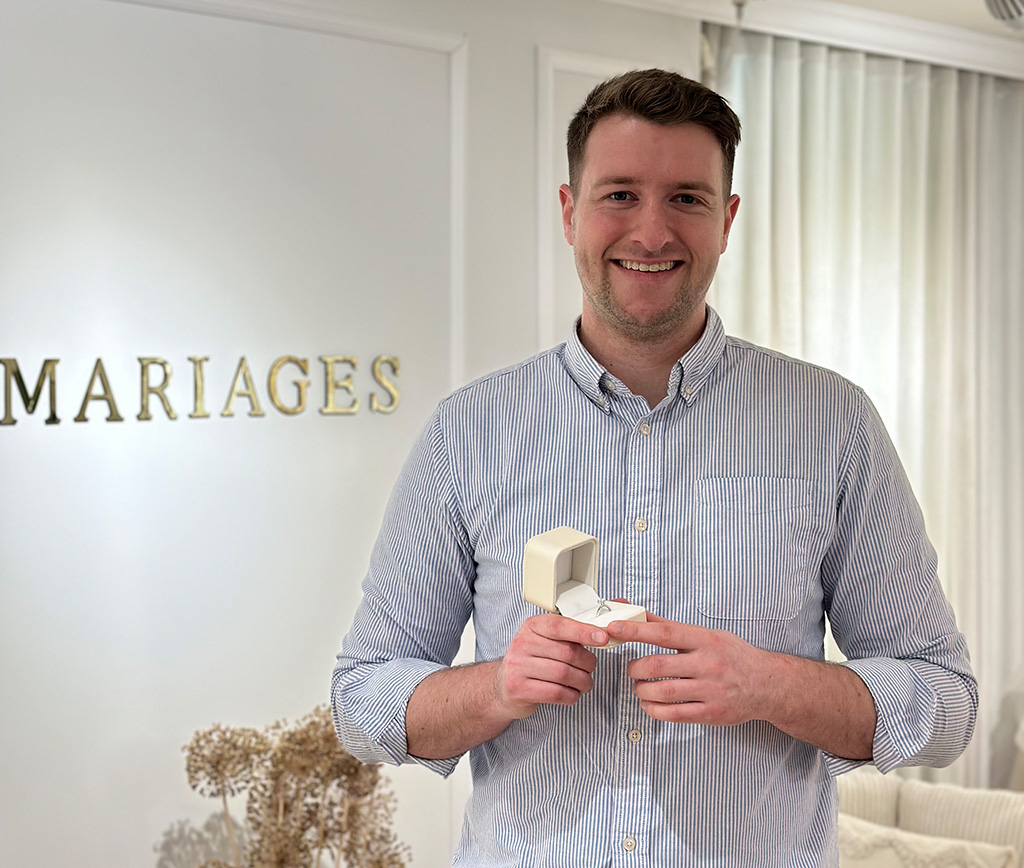
With nearly three decades of experience, Alexander Popp of Hochzeitshaus Mariage has seen his fair share of changes within the bridal industry and understands the importance to continually adapt.
In this exclusive interview, Alexander Popp, owner of Hochzeitshaus Mariage, shares the story behind the company’s growth over the years, its digital transformation, and why exceptional bridal consultations remain at the heart of their long-standing family business.
Tell us about your journey: How did you come to open your first bridal boutique, and how long have you been working in the industry?
I practically grew up among hoop skirts and witnessed our growth from a living room operation in 1999 to the 1,000-square-meter bridal house we have today. My mother, Christiana Popp, laid the foundation for everything. I originally came from the financial sector with a focus on marketing and gradually brought my analytical perspective into our highly emotional family business. In 2013, I took over marketing, in 2017 operational sales management, and in 2022 I became the owner.
Throughout this process, I was given a great deal of freedom to grow through both my responsibilities and my mistakes. Let’s just say I paid my fair share of tuition in experience. But those lessons were essential in preparing me to lead our traditional company into the next generation.
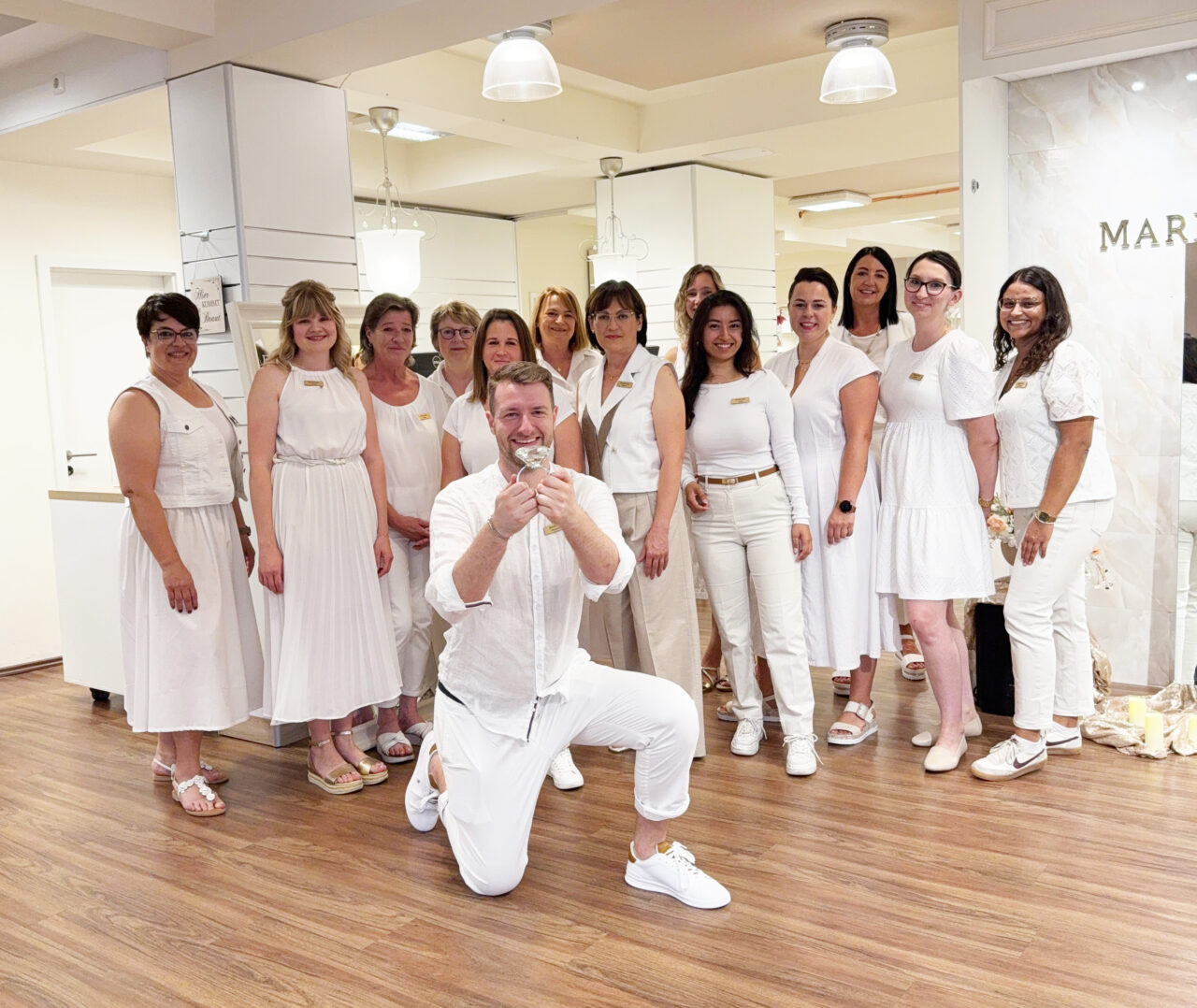
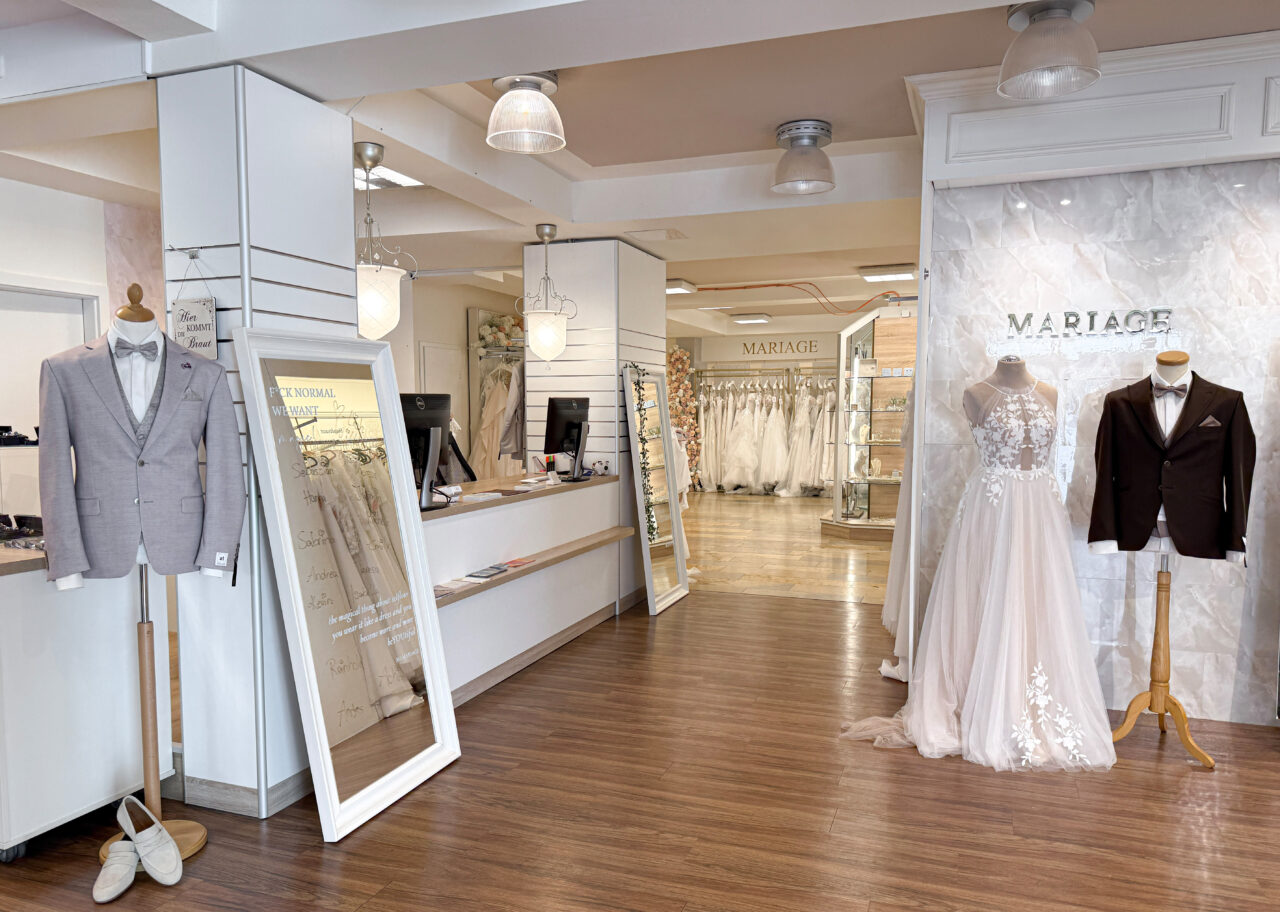
Hochzeitshaus Mariage in Neustadt an der Aisch
In your opinion, what is the key to remaining successful over so many years?
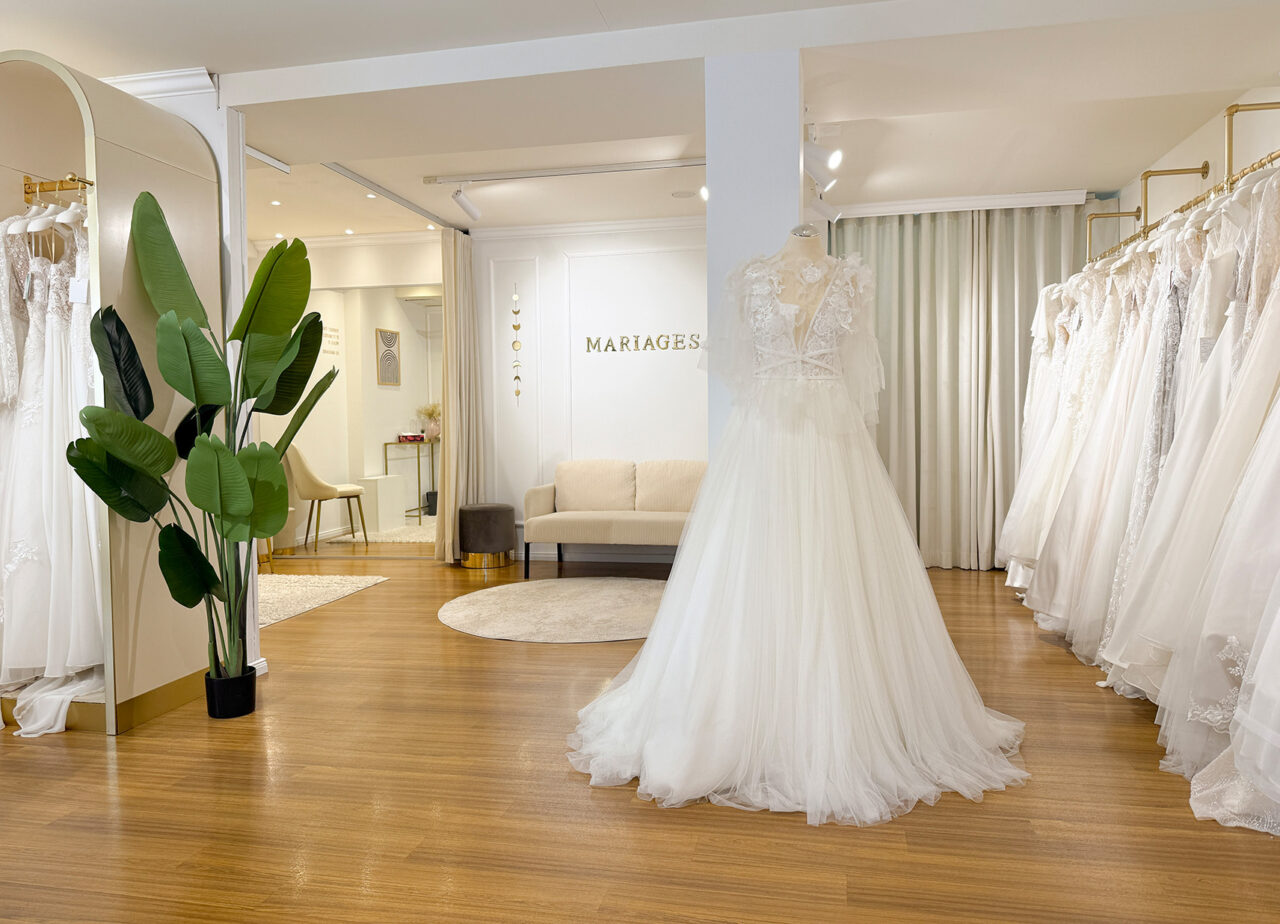
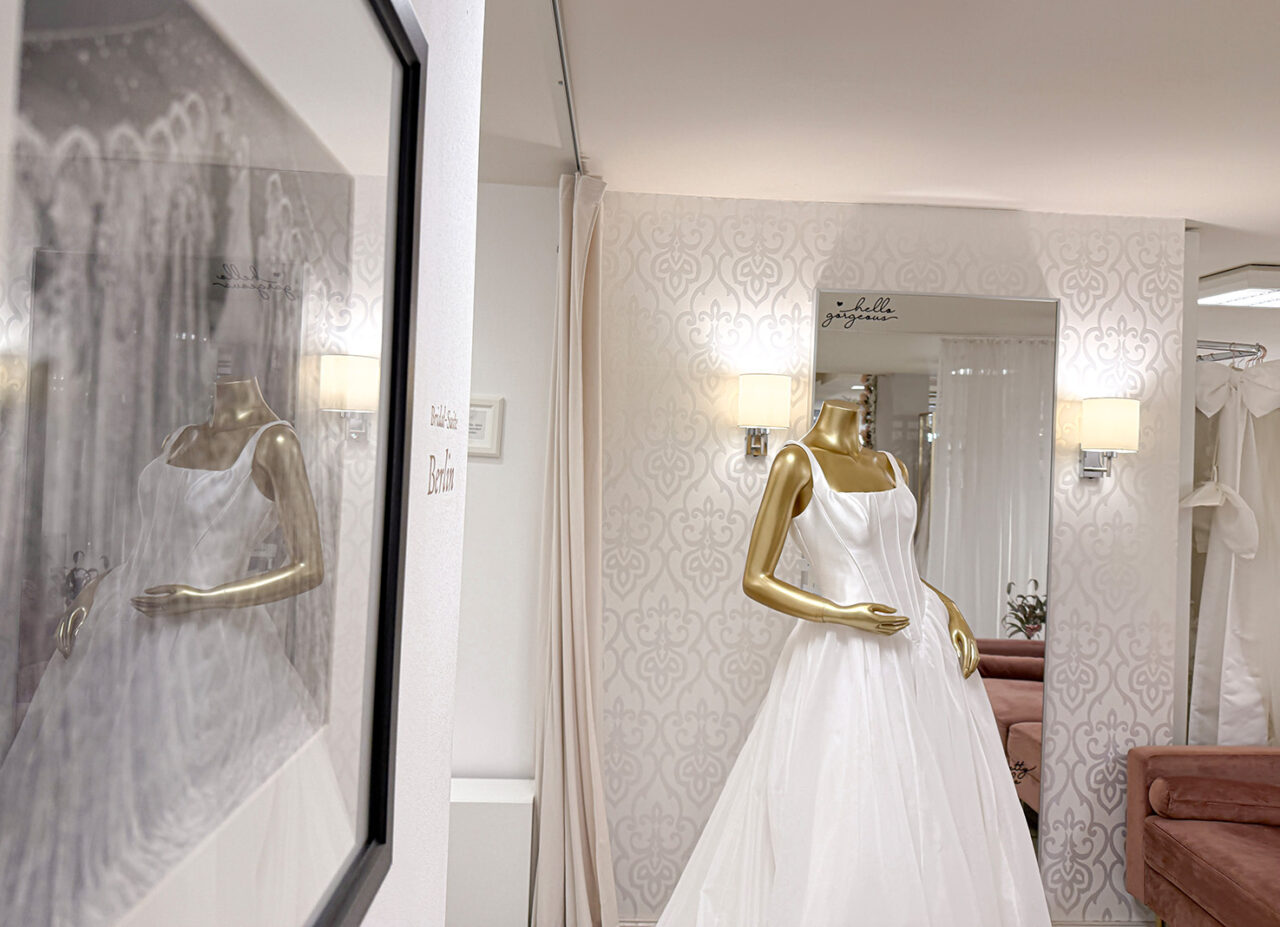
Our guiding principle is: “He who ceases to be better ceases to be good.” (Oliver Cromwell). Following this philosophy, we put everything under review every season. When my mother founded the business in 1999, the regional market was dominated by chain stores that processed brides almost assembly-line style. We revolutionized that approach by consistently focusing on one-to-one consultations. To this day, we have preserved that exclusive boutique atmosphere with private bridal suites, allowing brides to experience our trademarked “Bridal Butterflies” feeling.
Today, the key is supporting those emotions on the front end with an extremely rational backend. We digitally manage every process through our own software development, enabling real-time oversight of operations. From departmental forecasting and AI-powered purchasing applications to an ERP system that monitors the entire workflow of our in-house alterations department, everything is interconnected.
How has the bridal industry changed over the years, and how important is it to adapt to those changes?
The industry has become far more digital and visually sophisticated. Social media, especially TikTok and Instagram with authentic “Real Bride” content, has become our most important storefront. At the same time, the customer has changed significantly. A recommendation is often only the initial trigger. Brides now expect to be engaged across multiple touchpoints and almost develop a relationship with us before they ever visit the store. They want to feel like part of the team. In some cases, our brides know more about what appeared in a particular story or reel than our consultants on the sales floor. This expectation has led us to employ dedicated full-time social media specialists.
We also face increasing competition, fueled not only by television shows such as Between Tulle and Tears but also by suppliers themselves. I remember our early buying trips to trade shows, when supplier after supplier politely declined to work with us because strict territorial exclusivity was in place. It was nearly impossible to stock a boutique with top brands in such a densely populated market. Then came the split between the Modatex and Interbride trade fairs. Interbride was launched exclusively by premium suppliers. Looking back, however, this decision may have done them more harm than good. To fill the newly separated exhibition halls, organizers flooded the market with new and inexperienced suppliers. Suddenly, fertile ground existed for countless new bridal boutiques, and the strict territorial protections began to erode. Today, the market is heavily saturated. With wedding numbers continuing to decline, the target market is shrinking, making continuous professionalization essential.
What makes Hochzeitshaus Mariage so special, and why is it the ideal place for brides to find their dream dress?
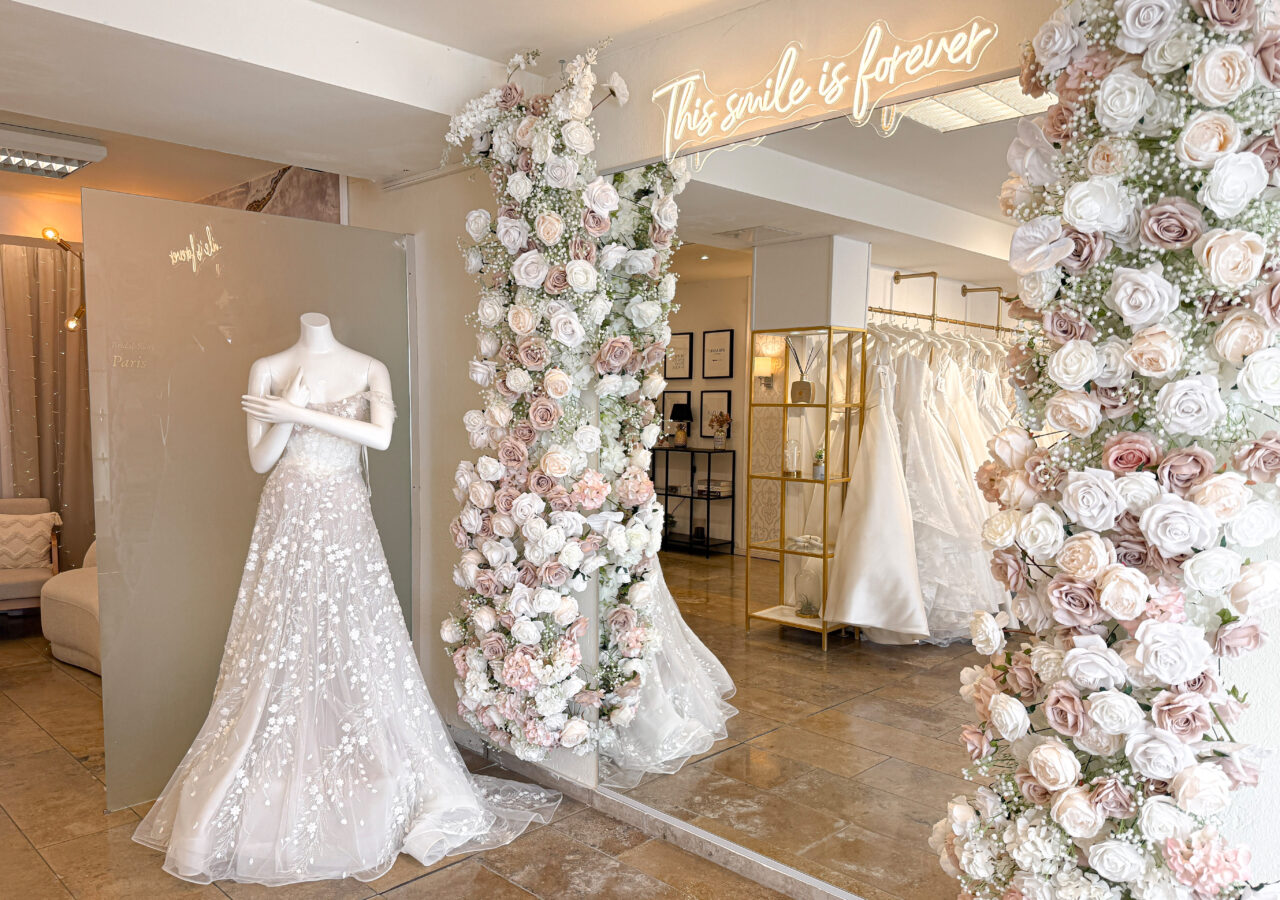
We do not sell dresses, we create “Bridal Butterflies.” That experience begins with our minimalist aesthetic and high-end store concept. What also makes us indispensable is our in-house alterations atelier, staffed by six full-time and five freelance seamstresses. For us, it is unthinkable to offer such an emotionally valuable garment without providing first-class in-house service.
Have you noticed any particular trends that brides are currently loving?
We are seeing very strong demand for the “Clean Girl” aesthetic and the “Old Money” style. The trend is clearly moving away from heavily embellished designs toward elegant, understated, minimalist looks with exceptional craftsmanship and timeless sophistication. Colleagues who worked through the golden years of the 1990s and early 2000s will probably smile at this: most of us likely still have these styles hanging somewhere in the stockroom. Of course, today’s versions are modernized and reinterpreted, but the classic essence is making a major comeback.
What contributes most to giving brides the best possible experience while searching for their wedding dress?
The entire experience depends on the quality of the consultation. Brides immediately sense whether someone is simply trying to sell them something or genuinely accompanying them on their journey. We invest heavily in training our team in communication techniques and use methods such as the DISC personality profile. This allows us to tailor our approach to each bride’s personality, reduce pressure, and create a safe environment where those special bridal emotions can truly emerge.
Since opening your bridal business, what have you learned that you perhaps did not expect?
Coming from the corporate world, I initially thought building and leading a team of 24 people would be like steering a speedboat, where changes can be implemented quickly and easily. I learned that I sometimes needed to temper my own ambitions to avoid overwhelming the team and to ensure everyone moved forward together. I have also learned how important agility is in day-to-day operations. Supplier-side volatility, such as the transition of brands like Nicole Milano and Ladybird into the Pronovias Group, demonstrated how quickly circumstances can change and how adaptable a business must remain.
Looking back, what are you most proud of, and who has supported and inspired you along the way?
I am especially proud of our commitment to continuous development. Despite six years of turbulent conditions, shaped by COVID-19, a business succession following a death in the family, economic challenges, and declining wedding numbers, we continue to approach every day with unwavering motivation. Our mission remains unchanged: to make people happy and create lifelong memories, unforgettable Bridal Butterflies moments.
None of this would be possible without the right people by my side. I am incredibly proud of our entire team, who support me every day and actively help drive our strategy forward. I would also like to thank demanding yet inspiring mentors such as sales coach Vanessa Huber and Peter Michel (Just Brides), as well as trusted partners including Essense of Australia and the Justin Alexander Group. A particularly heartfelt tribute goes to Jacob van der Stoep of Justin Alexander, who supported us tremendously from day one throughout every stage of our growth.
We would like to thank Alexander Popp for this interview.
For more information in the German language, please visit Hochzeitshaus Mariage